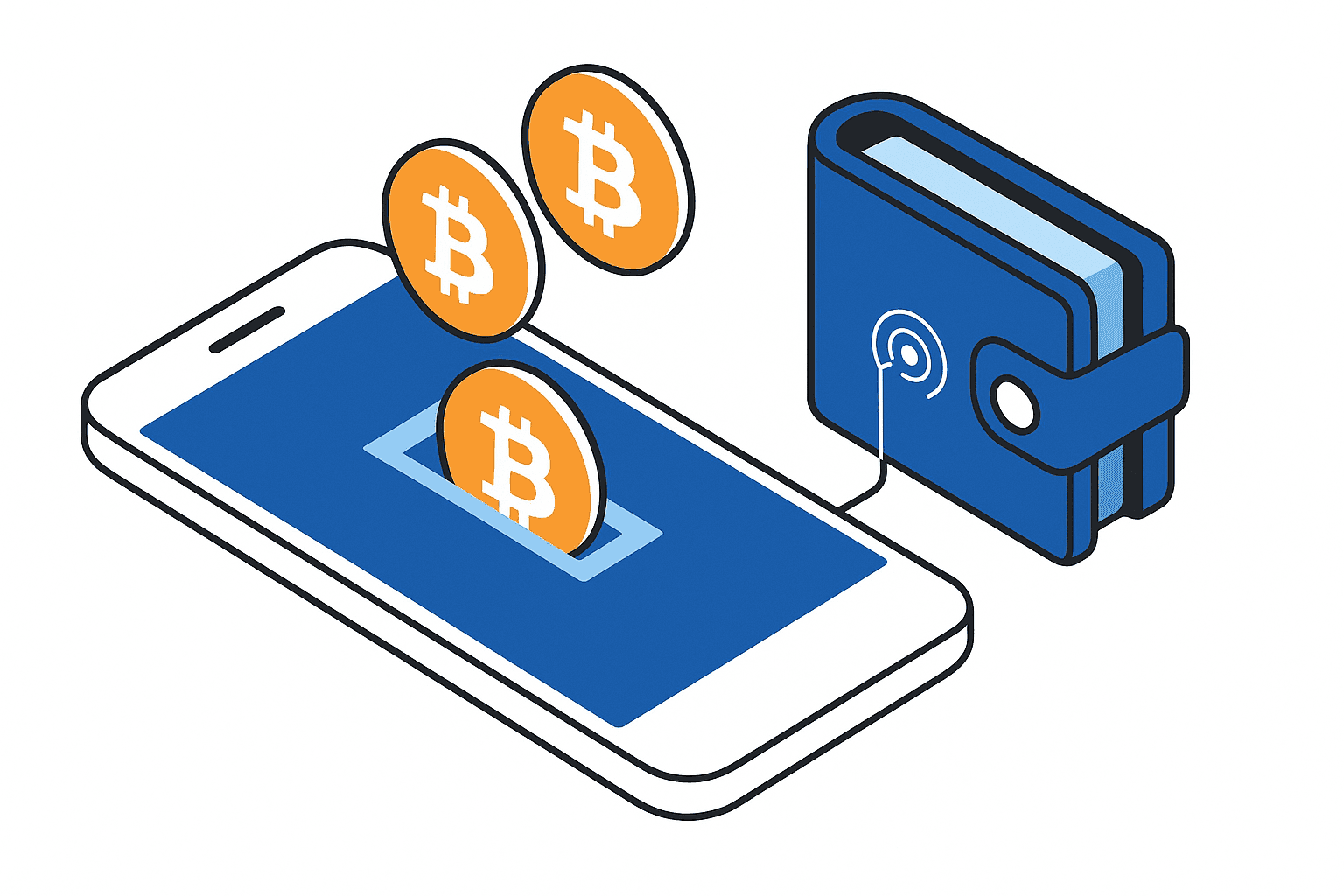
In an era of remote work and always‑on connectivity, safeguarding personal data is nonnegotiable. For anyone holding digital coins, options abound, but a dedicated hardware wallet stands out as a simple, resilient way to protect value. Even if you know the basics, choosing one is easier when you understand what these devices are and how they function. This guide answers common questions and shows how to keep digital assets safe with an offline device.
What Are Hardware Wallets?
A hardware wallet is a compact physical device—often resembling a thumb drive—that stores a user’s private keys in offline cold storage until they are needed to approve a transaction. Unlike a leather billfold for cash, the device never contains your coins; balances reside on the blockchain. Its purpose is to safeguard the private keys that authorize movement of funds. Many models work across multiple blockchains, so you can manage various tokens on one device, and backups are handled with a recovery phrase or a pin.
At a high level, wallets fall into two groups: hot and cold.
| Wallet Type | Storage Location | Custody | Security Level | Typical Use Case |
|---|---|---|---|---|
| Hot wallet | Online | Often custodial (a third party holds keys) | Lower (more exposure to online attacks) | Everyday access, frequent trading, small balances |
| Cold wallet | Offline | Noncustodial (you control the keys) | Higher (reduced online attack surface) | Long-term storage, larger balances, self-custody |
You can buy or hold crypto without one, but larger or more diverse portfolios are better secured with offline storage.
In many setups, you can transact directly from the device rather than first depositing to an exchange account. Keeping custody during the entire process is typically the safest path and can also reduce delays and some withdrawal‑related fees.
What Are Cryptographic Keys?
Cryptographic keys are alphanumeric strings—often 25 to 36 characters—that let you access and move funds recorded on a blockchain. Your cryptocurrency exists as entries on a distributed ledger. You interact with it using two keys: a public key, similar to an account number, and a private key, comparable to a pin that must remain confidential.
In crypto security, the private key is the control point: whoever has it can authorize transactions, regardless of who owns the device.
When an exchange is the custodian and the platform fails, restricts withdrawals, or is compromised, account holders may be unable to access funds on their own schedule.

How Do Hardware Wallets Work?
These wallets generate private keys and keep them inside an isolated, offline environment. They are purpose‑built gadgets with a few buttons and often a small screen. Because they do not independently connect to the internet, remote attacks are highly unlikely unless someone physically steals the device.
When you need to send, swap, or otherwise interact with funds, the transaction must be signed with your private key. You connect the device to a computer or phone, and a companion bridge app relays the unsigned details to the wallet. Signing occurs inside the device; the app then receives the signed payload and broadcasts it to the blockchain network. Throughout this process, the private keys never leave the wallet, shielding them from online threats.
That said, these devices are not magic, and they can still be compromised through common attack paths. Real‑world risks often involve social engineering (for example, being tricked into entering recovery words into a fake site), supply‑chain tampering, malicious companion software, or an attacker gaining physical access long enough to pressure you into approving a prompt. To reduce risk, stick to official software channels, keep firmware current, use optional passphrase features when available, and treat any unexpected “urgent” security message as suspicious.
Best Practices for Cold Storage
Treat the device like any valuable item.
- Store in a dry, room-temperature location.
- Protect from fire, water, and hazards.
- Keep recovery phrase or pin secure.
- Do not leave backups casually written down.
- Use a password manager for recovery information.
- Ensure encryption (for example, 256-bit encryption).
- Generate strong, unique passwords.
- Safeguard seed phrase (12–24 random words). Create the backup during setup, and make a new backup any time you generate a new seed phrase for an additional wallet. If you lose the device, a replacement wallet can typically be restored by entering the seed phrase; if the seed phrase is lost, there is usually no reset, and if someone else gets it, they can recreate the wallet and move funds.
- Buy from trusted manufacturers.
- Avoid secondhand devices.
- Check for tamper-evident seals or holograms.
- Do not use if packaging looks altered.
- Send a small test transfer before large transactions.
- Confirm the destination address.
- Verify address on wallet display before approving.
For extra privacy and peace of mind, consider a virtual private network to create an encrypted connection, especially on public Wi‑Fi. A virtual private network helps you browse more privately and can reduce exposure when you connect your wallet to the internet. To protect devices and identity more broadly, Kaspersky Premium offers antivirus, privacy, and identity protection in one package.
So which device is “best”? Popular options include models from Ledger, Trezor, and SafePal, but the right choice depends on your needs and preferences rather than a single universal winner. Compare features such as security design, supported coins and networks, how easy the interface is on your phone or computer, the quality of the on-device screen and confirmations, company reputation and update track record, and price.
Deciding whether to use one is also personal. The upside is stronger self-custody and less reliance on online services; the trade-offs include upfront cost, the responsibility of managing recovery information, and a learning curve that can lead to mistakes if you rush. They are typically a good fit for long-term holders, people with larger balances, and anyone who wants to reduce counterparty risk; a simpler software wallet may be sufficient for smaller “spending” amounts or frequent trading where convenience matters more.
And yes, you can withdraw money, but it is a two-step process: these devices store cryptoassets, not fiat currency. To get cash to a bank account, you generally send crypto from the wallet to an exchange or broker, sell it for your local currency, and then withdraw the proceeds using that service’s payout method.