Criminals can drain funds in moments when everyday wallet missteps slip through. Small oversights open doors for attackers, and many users miss the warning signs until money is gone.
Your wallet protects the private keys that authorize coins on the blockchain. If a thief captures those secrets, assets move instantly. Most breaches start with phishing, look‑alike wallet apps, or lax storage. Malware can exfiltrate a private key or swap clipboard wallet addresses, and these schemes keep evolving quickly.
Neither hot nor cold storage is free of risk. Blind trust puts holdings in danger. Seed phrases synced to cloud notes or sent by email often leak. Fake installers posing as wallet software can compromise an entire device.
This guide pinpoints five high‑risk behaviors and the steps to prevent them:
| Mistake | Description | Prevention Steps |
|---|---|---|
| Exposing or mishandling your seed phrase | Leaking your recovery phrase or private keys gives an attacker full control of your funds. | Keep recovery phrases offline. Never type them into websites or unknown apps. Treat private keys as non-shareable. |
| Using a hot wallet for everything | Always-online wallets are more exposed to malware, phishing, and device compromise. | Use hot wallets for small, routine balances. Store long-term holdings in cold, non-custodial storage. |
| Falling for phishing and counterfeit apps | Look-alike sites, emails, and apps trick you into approving access or revealing secrets. | Verify the wallet and its publisher before installing. Avoid third-party download links. Confirm domains and prompts. |
| Ignoring firmware and app updates | Old versions can contain known, patched vulnerabilities and may break as protocols change. | Update from official sources only. Turn on verified update notifications. Avoid ad-driven “update now” prompts. |
| Weak or reused passwords and no two-factor authentication | Weak account security makes it easier for attackers to access wallet-related accounts and services. | Use unique, strong passwords and app-based two-factor authentication. Avoid text-message codes when possible. |
You’ll also get pro advice and a rapid response checklist if something goes wrong. Ready to lock down your assets?
Why Wallet Missteps Lead to Major Losses
In the first half of 2025, scams and intrusions siphoned nearly $2.5 billion, with compromised wallets and phishing responsible for a large share. In crypto, losses land fast.
Totals hide the tactics. A campaign dubbed Jsceal impersonated wallet apps in ad networks, pushing deceptive downloads that stole keys and logins from legitimate tools like MetaMask and Exodus.
Ransomware‑style airdrop lures also tricked people into granting hardware wallet access. One victim lost more than $7,800 after following a fake promotion.
Exchange breaches can ripple to self‑custody users too. When WazirX’s multi‑signature wallet was compromised in July 2024, roughly $235 million was drained from cold storage.
Targeted coercion adds real‑world danger. So‑called “wrench attacks,” where criminals use physical force to obtain private keys, surged; in 2025, thefts from individual wallets were nearly 23% of total crypto losses.
The impact is personal. A former Australian police officer lost about 1.9 million Australian dollars to an online crypto scam after being drawn into a fake investment platform.
What Is a Crypto Wallet?
A crypto wallet is a key manager. Those keys authorize your Bitcoin, Ethereum, and other tokens on the blockchain. Lose access to them and your funds are effectively irretrievable.
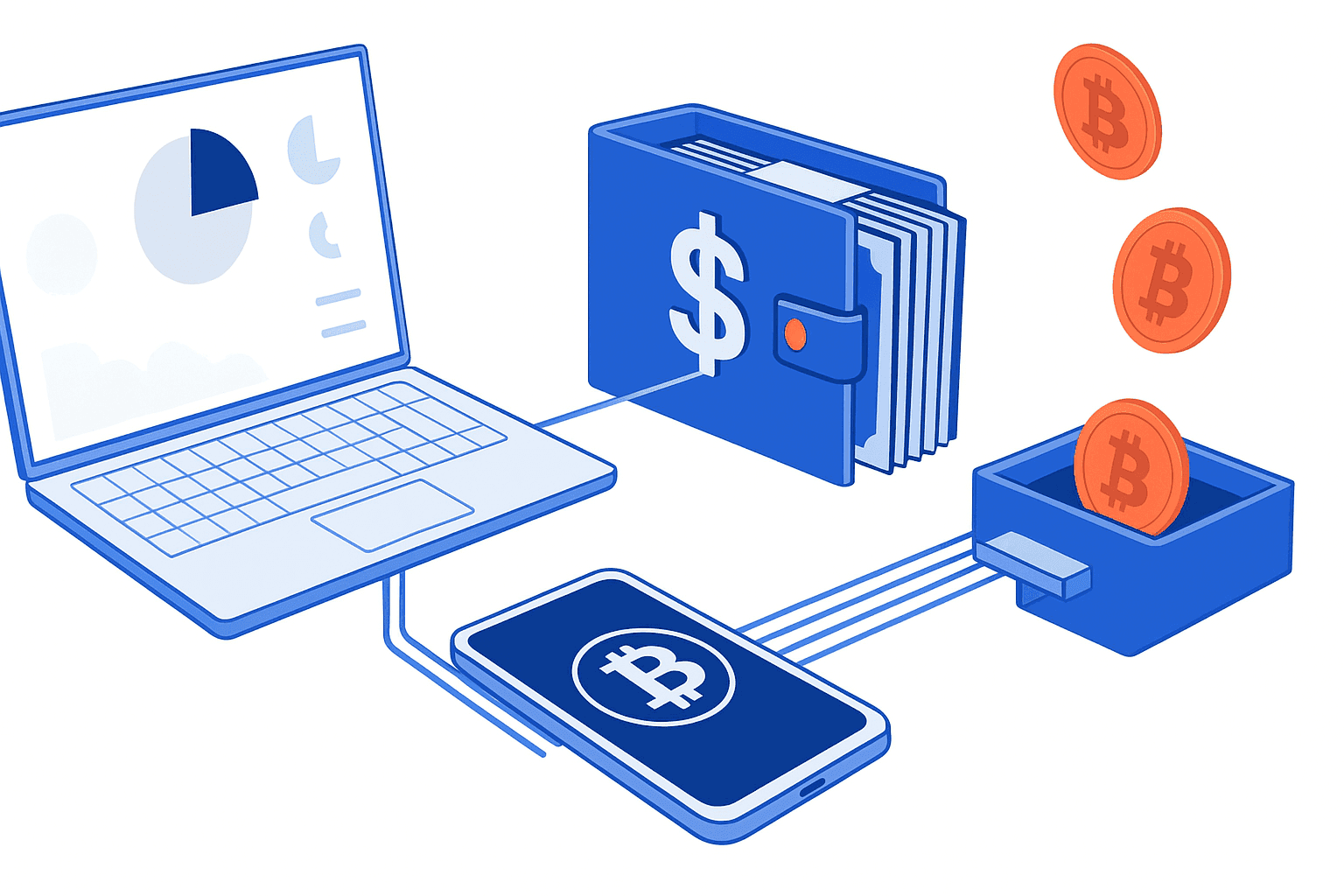
Most wallets fall into two groups: hot (online) and cold (offline). Hot options stay connected to the internet. Cold storage remains offline for added safety. When you access a wallet, use a secure connection: confirm you are on the correct domain, look for https, avoid public wireless networks, and consider using a virtual private network on untrusted connections.
Hot wallets run as mobile or browser software. The AliceBob crypto wallet, built for quick transfers, is one example. They enable fast sends and receives but face greater exposure to hackers or malware. Keep only small balances there, and do not treat a hot wallet like a long-term vault.
Cold setups include hardware devices, paper backups, or air‑gapped systems. By isolating private keys from the internet, they blunt many online threats, though they add steps such as connecting to another device.
Custody matters too. With a custodial wallet, a third party holds your private keys and sets security policies. Non‑custodial wallets give you sole control, but losing the recovery phrase typically means no way back.
Also be clear about what should not live in a wallet (or in wallet-adjacent notes and storage): avoid storing sensitive personal information (such as scans of identity documents), unrelated account passwords, or any “extra” secrets you would not want exposed if your phone or computer were compromised.
Most people do best with a blended approach:
- Use a hot wallet for routine spending and transfers.
- Keep long‑term holdings in a cold, non‑custodial wallet to balance convenience with stronger protection.
5 Common Crypto Wallet Mistakes
1. Exposing or Mishandling Your Seed Phrase
Your recovery phrase is the master key to your wallet.
Sharing it or storing it carelessly hands someone else complete control over your funds.
Do not save the phrase digitally—no screenshots, cloud notes, or photos. Record it on durable physical media, such as metal or paper, and store copies in separate, secure locations. Never enter your seed phrase or private key into a website, a form, a “verification” prompt, or an unknown app; that is a common way attackers capture it in seconds. And never share private keys under any circumstances—anyone asking for them is attempting theft.
Avoid reusing the same seed phrase across multiple wallets or “test” installs. The more places the same recovery phrase touches, the more opportunities there are for exposure; if one device or app is compromised, every wallet derived from that phrase is at risk.
If someone has your seed phrase or private key, they do not need your permission again—they already have your wallet.
2. Relying on a Hot Wallet for Everything
Hot wallets are convenient for daily use because they are online, but that same connectivity increases risk, especially for large balances or long‑term storage. An always-online wallet is more susceptible to malware that monitors your device, phishing that steals logins or approvals, remote exploits against outdated software, and simple device theft. Account takeovers can also happen through carrier-based phone number hijacking, which can be used to intercept account recovery flows tied to messaging.
Cold wallets keep private keys offline for much stronger protection. Best practice: keep spending funds in a hot wallet and park the majority in a non‑custodial cold wallet for long‑term safety.
3. Taking the Bait: Phishing and Counterfeit Wallet Apps
Scammers mimic real brands and emails to steal recovery phrases or logins. Spoofed sites and look‑alike apps are common traps. Connecting your wallet to a malicious site can be just as dangerous as typing in a seed phrase: a spam site can trick you into signing a harmful message, approving unlimited token allowances, or authorizing a transaction that drains funds.
Only download wallet software from the official source you have independently verified. Treat unexpected emails and messages with suspicion. Legitimate services never request your seed phrase.
To check whether a wallet is legitimate before you install it or connect it to anything:
- Verify the official website address yourself (type it in or use a trusted bookmark) and confirm the site uses https.
- Confirm the app publisher and the exact app name in the app store; be wary of clones with subtle spelling changes.
- Read recent reviews with a skeptical eye and look for patterns that suggest fake ratings or repeated complaints about theft.
- Check whether the wallet publishes open-source code or verifiable security details, and whether those claims are consistent and easy to inspect.
- Avoid third-party download pages, “sponsored” installer links, and attachments sent through email or direct messages.
4. Ignoring Firmware and App Updates
Outdated wallet apps or device firmware often contain known vulnerabilities. Skipping updates keeps you exposed to attacks already documented by researchers. It can also leave you vulnerable to exploits that have already been patched, create incompatibilities as networks and protocols evolve, and eventually cut you off from security fixes once older versions lose support.
Fetch updates only from the manufacturer’s official site or within the verified app. Disregard pop‑ups or ads that urge you to “update now”—they can deliver malware.
Security updates are often fixes for problems attackers already know about—waiting turns public information into a working attack.
5. Weak or Reused Passwords and No Two-Factor Authentication
Short, recycled passwords are easy prey. Use a strong, unique password for your wallet and related accounts, and enable app‑based two‑factor authentication (for example, Google Authenticator). Avoid text-message codes when possible.
What to Do If You Suspect a Scam
- Stop sending funds immediately. Scammers often pressure victims to “send one more transaction,” which only deepens losses.
- Collect evidence (wallet addresses, transaction hashes, dates, amounts, communications, screenshots). Save emails, texts, and chat logs.
- Contact any exchange or platform involved right away. If stolen assets reach an exchange, swift action may enable a freeze.
- Follow the trail on the blockchain. Use explorers such as Etherscan or a blockchain explorer to map where funds move and identify services that receive them.
- Report the incident to authorities. File with relevant cybercrime reporting channels and local law enforcement, and include all transaction details and scammer information.
- Be wary of “recovery” outfits. Some demand upfront fees and make unrealistic promises; common traps include fake support agents, giveaway “verification” deposits, impersonation scams, dusting attacks meant to bait you into interacting, and fake airdrops designed to capture approvals or secrets.
- Seek reputable recovery professionals if needed. Specialists in wallet recovery and on‑chain forensics may interview you for password clues or run forensic tools, though outcomes vary.
- Reset credentials and harden security. Change passwords immediately, enable app‑based two‑factor authentication wherever possible, and monitor accounts for unusual activity.
- Inform your community without sharing sensitive data. Posting about the scam on public forums can surface leads and warn others.
- Consider legal avenues for substantial losses. A class action or hiring a solicitor may help pursue claims or assist with asset tracing.
Final Thoughts: Stay Vigilant and Self‑Sovereign
Crypto hands you control—and full responsibility. There is no reset, no bank hotline. A single mistake can make funds unrecoverable.
Most schemes begin with something minor: a suspicious link, a hurried login, a skipped update. Those brief lapses can become major losses.
Do not cut corners. Store the seed phrase offline. Use strong passwords. Keep software current. Double‑check every transaction. If something feels wrong, pause.
Cold storage is not overkill—it is protection. Split holdings between hot and cold storage so everyday access stays easy while long‑term assets remain safer.
Assume you are a target. Both newcomers and experienced traders face threats. Consistent caution is your best defense.
Crypto enables freedom, and freedom demands care. Guard your keys, and you guard your future.