In crypto slang, “aped” is shorthand for rushing funds into a just-launched cryptocurrency or token without performing due diligence.
What Is Apeing?
In the crypto world, slang emerges to capture moods and market behavior. Apeing refers to snapping up brand-new tokens the moment they appear, skipping thorough research, often propelled by fear of missing out about potential upside.
- Notable examples of apeing in crypto:Buying a token within minutes of its first decentralized exchange listing because it is trending on social media, even though the team, token supply, and contract permissions have not been reviewed.
- Historical case studies:During fast-moving “new coin” waves, some launches attract a rush of early buyers on the promise of quick multiples, only for liquidity or token distribution mechanics to create sharp reversals.
- Hypothetical scenarios:A trader sees a meme token spike 200% in an hour and apes in with a market buy, then discovers the pool is thin and a few large wallets can move price dramatically.
DeFi Origins and the Token Hype Cycle
The expression surged during the 2020 DeFi Summer, when new protocols arrived in rapid succession. Early participants in these cryptocurrencies sometimes realized swift gains, stories that spread across social platforms and encouraged others to ape the same strategy.
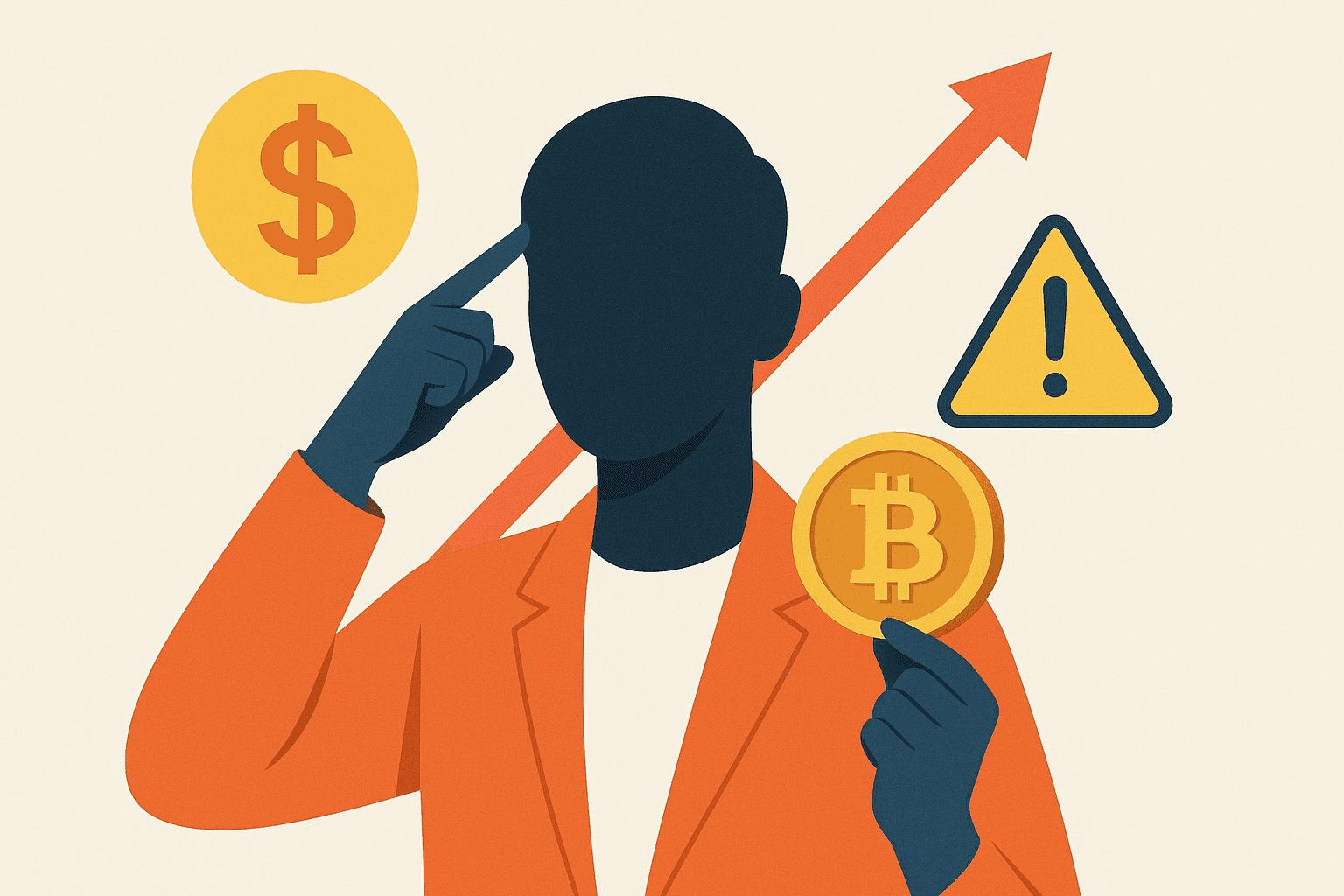
Traders ape to chase large returns or to secure early entry before a project becomes widely known, but it is a high-risk, high-reward tactic that can go wrong and is generally considered a high-risk investment approach. Beyond scams such as rug pulls or classic pump-and-dump schemes, common hazards include extreme volatility, thin liquidity that makes it hard to exit without heavy slippage, smart-contract or operational failures, sudden loss of hype, and regulatory uncertainty around token promotion and trading. Practical ways to reduce these risks include checking liquidity depth and lock status, reviewing token distribution and wallet concentration, reading the contract permissions (especially minting and pause controls), using smaller position sizes with predefined exit points, and avoiding “all-in” buys based on social momentum alone.
| Risk | Description | Mitigation Strategy |
|---|---|---|
| Volatility | Price can swing sharply in minutes, especially right after launch. | Use smaller sizing, staged entries, and predetermined exit levels. |
| Lack of Liquidity | Low liquidity can cause heavy slippage and make exits difficult. | Check pool depth, trading volume, and expected slippage before buying. |
| Project Failure | Teams may abandon development, miss deliverables, or lose traction. | Review roadmap realism, team credibility signals, and on-chain activity over time. |
| Scams | Rug pulls, fake contracts, and manipulation can wipe out funds quickly. | Verify contract addresses, assess token permissions, and avoid unaudited clones. |
| Regulatory Uncertainty | Rules around token promotion, listings, or trading access can shift suddenly. | Avoid overexposure and consider jurisdictional limits before taking large positions. |
| Pros | Cons | |
| Potential to capture early upside before broader attention arrives. | Higher odds of large losses due to volatility, thin liquidity, and information gaps. | |
| Opportunity to enter small, fast-moving markets before they mature. | Greater exposure to scams, weak projects, and hype-driven reversals. |
Apeing is rarely about having better information—it is usually about accepting more uncertainty and paying the tuition if the trade goes wrong.
On Crypto Twitter, the word often doubles as shorthand for buying. You might see questions like, What are you aping into in 2026? or remarks such as, I’ll ape into this token—the fundamentals look promising.
In the context of meme coins, “aped” usually implies an especially impulsive buy driven by community hype, jokes, and momentum rather than fundamentals like revenue, utility, or long-term token economics. Meme tokens can move on narrative and attention alone, which makes the thrill (and the risk) more extreme when people ape in.
“Aped stock” is similar slang in equities: it describes piling into a stock aggressively—often after it trends on social media—without much analysis of the business. The key distinction is the market: “aped stock” refers to shares, while apeing in crypto refers to tokens; both can be hype-driven, but crypto adds token-specific risks like smart-contract issues, liquidity pool mechanics, and contract-level scam vectors.
If you want to “ape” smarter using Morpher, focus on tools that force more discipline than a pure impulse buy, such as building a watchlist to compare moves across assets, setting alerts so you do not chase candles blindly, and keeping position sizes small enough that a fast drawdown does not wipe out your portfolio. Using limit-style entries and predefined exit rules can also help you participate in momentum without treating every launch like an all-or-nothing bet.
If you are asking about the price performance of a token or project actually named “Aped,” the most useful comparison is relative performance versus similar small-cap tokens over the same time window, alongside liquidity and market-cap context. A simple peer-style framework looks like this:
| Token/Project | Price Performance | Market Cap | Notable Features |
|---|---|---|---|
| Aped | Compare 7-day/30-day % change versus peers; note whether moves are trend-driven or event-driven. | Record current market cap and how quickly it changes during spikes. | State whether it is primarily a meme narrative, a DeFi feature set, or a community token. |
| Comparable Meme Token (Similar Size) | Compare the same % change windows and peak-to-drawdown behavior after pumps. | Check whether it is smaller or larger than Aped and whether size affects volatility. | Community strength, listing activity, and typical liquidity depth. |
| Comparable Small-Cap Utility Token | Compare returns, but also track whether performance correlates with product updates. | Compare market-cap stability versus Aped during hype cycles. | Clear use case, emissions schedule, and on-chain usage signals. |