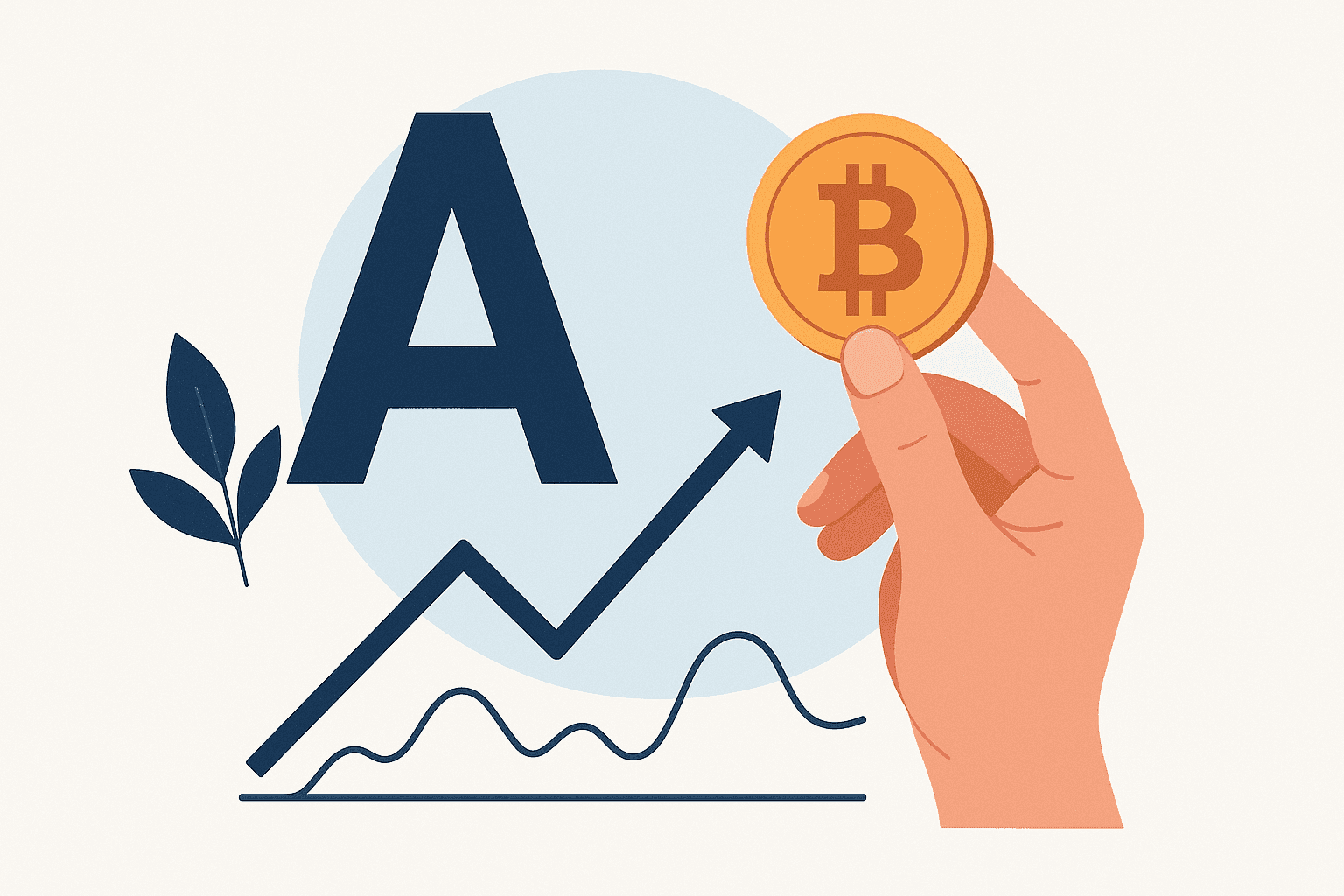
In crypto, “alpha” refers to early, high‑signal information that offers a market advantage. Think timely intel on a cryptocurrency launch, a quiet roadmap update, or a developing narrative that helps an investor or trader spot opportunities before the crowd and outperform a benchmark.
Put another way, alpha is the sharp, ahead‑of‑time insight that can make you look prescient — or at least impressively early.
How It Works
Alpha shows up in two complementary layers — one from traditional finance and one from crypto culture:
- Traditional Definition of Alpha: In classic investment terms, alpha describes performance that beats a benchmark after accounting for risk.
- Web3 Usage of Alpha: In the crypto world, alpha means privileged, actionable information that reaches you first — often before it’s broadly priced in.
- Examples of Web3 Alpha: A newly announced or stealth token distribution. An under‑the‑radar NFT mint with little chatter. A small‑cap digital asset with asymmetric upside. A project signaling an upcoming airdrop or points program.
In many communities, an “alpha call” is a direct, opinionated tip or thesis (often paired with a catalyst, timing, and a clear “here’s what I’m doing” angle). Alpha calls are typically made in group chats, Discord servers, Telegram channels, and research feeds by analysts, builders, active traders, or well‑followed accounts — usually to surface opportunities early, build credibility, or coordinate attention around a developing setup.
The word “alpha” is now standard slang across crypto communities — from Discord and Telegram to private research groups and invite‑only chats.
Where Alpha Comes From
Finding strong signals depends on your research habits, who you follow, and how deeply you analyze on‑chain activity. Common hunting grounds include:
- Crypto Twitter: Constant streams of news, rumors, and speculative takes. Use it best by building tight, topic‑specific lists and tracing claims back to primary posts or artifacts. Pitfall: viral narratives can outrun facts, and screenshots can be selectively cropped.
- Discord/Telegram Circles: Tighter groups that surface internal updates and curated insights earlier. Use it best by sticking to channels where builders post changelogs, commits, and concrete timelines. Pitfall: group incentives can drift toward shilling, especially when members are already positioned.
- On‑Chain Analytics: Tracking wallets, token flows, and smart contracts for leading indicators across blockchain networks. Use it best by watching behavior over time (not one‑off transactions) and confirming wallet labels before drawing conclusions. Pitfall: copying whale moves blindly can be misleading when you don’t know their hedges, cost basis, or intent.
- Testnets and Developer Forums: Engineers often preview changes, features, or audits before the public narrative forms. Use it best by focusing on what’s shipping (deployments, audits, documentation updates) rather than vague hype. Pitfall: testnet activity and roadmap hints don’t guarantee mainnet delivery or market interest.
- Whale Watching: Monitoring large BTC, ETH, and token moves can reveal positioning ahead of major events. Use it best by pairing transfers with context (exchange inflows/outflows, vesting schedules, and known treasury wallets). Pitfall: large transfers can be operational (custody, OTC, internal rebalancing) rather than directional bets.
Common ways people try to generate alpha in crypto include:
- Event‑Driven Trading: Positioning around catalysts like listings, upgrades, unlocks, and major announcements. Risk: catalysts can be “sell the news,” and timing errors can be costly.
- Relative Value and Rotation: Switching between BTC, ETH, and sectors when valuations or momentum diverge. Risk: correlations can snap back fast in risk‑off moves.
- Liquidity and Market‑Structure Plays: Providing liquidity, capturing funding, or trading basis when conditions are favorable. Risk: liquidations, depegs, and sudden volatility can overwhelm expected edge.
- Airdrop and Points Farming: Using protocols early to earn future distributions. Risk: rules can change, sybil filters can wipe eligibility, and fees can exceed rewards.
- Fundamental Project Research: Underwriting teams, product traction, token design, and distribution before narratives fully form. Risk: execution risk is high, and token mechanics can still dilute holders.
Important caveat: plenty of so‑called alpha is stale, misleading, or deliberately crafted to inflate bags. Treat every tip as unverified until proven otherwise.
Alpha vs. Beta
Here’s the distinction investors and traders care about:
In investing, a common “quick” alpha estimate is:Alpha ≈ Your return − Benchmark return. A more formal risk‑adjusted approach (Jensen’s alpha) is:Alpha = Portfolio return − [Risk‑free rate + Beta × (Benchmark return − Risk‑free rate)]. For example, if your crypto portfolio returns 18% over a period while BTC returns 12% over the same period, your simple alpha versus BTC is about 6%. In crypto, benchmark choice depends on what you’re trying to beat: BTC for broad market exposure, ETH for smart‑contract ecosystem exposure, or a sector basket if you’re running a niche strategy.
A “good” alpha is usually one that’s positive and repeatable after fees, slippage, and risk — not just a single lucky spike. Context matters: short timeframes can be dominated by noise, while longer horizons put more weight on drawdowns, volatility, and how consistently you outperform your chosen benchmark.
| Term | Definition | Example |
|---|---|---|
| Alpha | Outperformance attributed to skill, information, or positioning rather than broad market movement. | A portfolio beats BTC over the same window because it identified a catalyst early. |
| Beta | Returns driven mainly by overall market exposure. | Holding BTC through a market-wide rally and rising with the trend. |
In practice, many strategies blend both: keep a macro market view for beta exposure, then layer selective, high‑conviction positions to generate alpha.
Risks and Realities
Chasing crypto alpha can produce standout wins — and equally sharp drawdowns due to volatility and misinformation. Watch for these pitfalls:
- Echo Chambers: Consensus in a chat room is not evidence. Repetition does not validate a thesis. Consider actively looking for disconfirming data before you size up.
- Pump‑And‑Dump Plays: “Leaked” intel can be coordinated hype designed to offload positions onto late entrants. If the “alpha” is mostly marketing language, assume you’re exit liquidity until proven otherwise.
- Overtrading: Jumping on every headline or rumor can drain capital and attention, hurting long‑term performance. Set filters for what qualifies as actionable so you’re not reacting to everything.
- Regulatory and Legal Risk: Some tokens, promotions, or distribution mechanics can create legal exposure depending on jurisdiction. Even when something is “on-chain,” it may not be low-risk from a compliance standpoint.
- Technical Risk: Smart contract bugs, oracle failures, bridge exploits, and admin key risks can erase an edge instantly. A great thesis can still lose to bad plumbing.
- Liquidity Risk: Thin order books and low float can make entries and exits far worse than expected. Slippage can turn a theoretical edge into a real loss.
Verify the signal, map the catalyst, and size the risk before you treat any “alpha” as a trade.
Best practice: Treat alpha as a starting point. Validate sources, pressure‑test the thesis against counterarguments, and commit only when the setup matches a written plan. To improve your alpha over time, keep a review loop (track what you acted on and why), use tooling that reduces reaction time (alerts, watchlists, and on‑chain monitors), and adapt as market structure changes.
FAQs
- Is Alpha the Same as Insider Trading? No. Quality alpha often comes from public but hard‑to‑interpret signals, like blockchain data or open dev notes. Using confidential, non‑public information crosses legal lines — even in crypto.
- How Do I Get Good Alpha? Follow credible researchers, join vetted communities, and use analytics tools to study blockchain activity and market structure. Always do your own research before committing capital.
- Is Alpha Only for Traders? Not at all. Builders, NFT collectors, airdrop hunters, and governance participants benefit from early insights across DeFi and broader crypto ecosystems.